
 CN
CN
Activated carbon absorbs formaldehyde, beware of being deceived
With the improvement of living standards, more and more consumers are paying attention to indoor and in car air quality, and activated carbon, which is claimed to have air purification effects, is becoming popular on the market. The activated carbon industry has emerged in recent years, with sales increasing year by year. However, the quality of activated carbon sold in the market varies greatly.
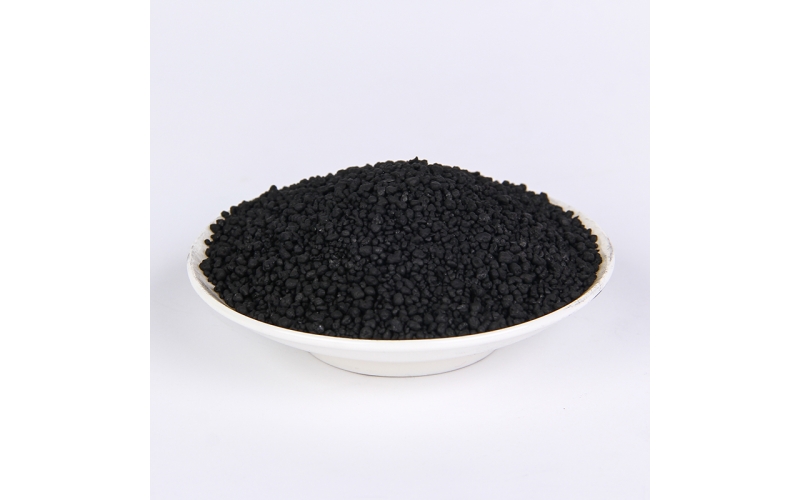
The activated carbon testing situation in the market released by the China Consumers Association (hereinafter referred to as "CCPA") shows that only 30% of the tested activated carbon products have reached a high index, and the test results show that some activated carbon testing indicators have low values, resulting in poor absorption efficiency. The relevant person in charge of the China Consumers Association stated that the activated carbon market has emerged and sold well in recent years, but there are no standardized standards in the industry, resulting in a mixed situation of good and bad. The China Consumers Association calls for the early establishment of standards for the activated carbon industry.
Only 30% meet the standard
The activated carbon testing results released by the China Consumers Association on December 13th showed that among the randomly selected 16 activated carbon samples and 4 hot pot charcoal samples, 11 samples had low testing indicators, accounting for 69% of the low testing indicators, while activated carbon with high testing indicators accounted for about 31%. The overall situation is worrying.
The Beijing Business Daily reporter learned that the China Consumers Association commissioned * * testing institutions to conduct testing based on GB/T12496.8-2015 "Test Methods for Wood Activated Carbon - Determination of Iodine Adsorption Value" and GB/T12496.5-1999 "Test Methods for Wood Activated Carbon - Determination of Carbon Tetrachloride Adsorption Rate (Activity)". Among them, the activated carbon with a nominal air purification effect and high detection indicators includes: Fujian Xinsen Carbon Industry Co., Ltd.'s Kuailelin Automotive Carbon has an iodine adsorption value of 1042 and a carbon tetrachloride adsorption rate of 104.8; The iodine adsorption value of Green Run activated carbon from Zhongmao Huaxin (Beijing) Co., Ltd. is 412, and the carbon tetrachloride adsorption rate is 7.9; Hebei Chengde Huajing Activated Carbon Co., Ltd. offers five products, including activated carbon with an iodine adsorption value of 800 and a carbon tetrachloride adsorption rate of 42.6%.
In addition, according to the test results released by the China Consumers Association, 11 companies were marked as having "nominal air purification effect", but the test indicator values were all low or the individual indicator values were low. Among them, the iodine adsorption value of the green label carbon pack from Shenzhen Liman Environmental Technology Co., Ltd. is 98, and the carbon tetrachloride adsorption rate is 3.8; The iodine adsorption value of activated carbon from Beijing Zhongou Purui Technology Co., Ltd. is 125, and the carbon tetrachloride adsorption rate is 6.9; The iodine adsorption value and carbon tetrachloride adsorption rate of 11 products, including Happy Cat Universal Bamboo Charcoal King product from Shaowu Shi Jinshou Activated Carbon Co., Ltd., are relatively low, with an iodine adsorption value of 0 and a carbon tetrachloride adsorption rate of 0.7.
The commonly used indicators for detecting activated carbon are iodine adsorption value and carbon tetrachloride adsorption value. The former measures the adsorption capacity of activated carbon for substances of similar size to iodine molecules, while the latter measures the pore volume of activated carbon and is a means of determining the degree of activation of activated carbon. In the testing of products, the iodine adsorption of the sample has a high detection value of 1042 and a low detection value of 0, indicating a significant difference in adsorption efficiency.
But according to a Beijing Business Daily reporter's search on a well-known online shopping mall, many single activated carbon products have sold tens of thousands of units, with mixed positive and negative reviews. Even some of the brands that were blacklisted this time are also the main brands of activated carbon products in online shopping malls.
Performance inferior to hot pot charcoal
The main reason for conducting this activated carbon testing activity is that consumers have a poor experience with activated carbon. It is understood that recently, the China Consumers Association has received feedback from consumers that the activated carbon purchased has a significant purification effect. The China Consumers Association commissioned * * testing institutions to conduct testing on some activated carbon products.
It is reported that activated carbon is a hydrophobic adsorbent made from materials mainly containing carbon, which are carbonized and activated at high temperatures, such as coal, wood, fruit shells, coconut shells, walnut shells, apricot shells, jujube shells, etc. Activated carbon contains a large number of micropores that can adsorb organic pollutants and certain inorganic substances. Its ability to adsorb substances depends on its own pore size distribution and the molecular size of the adsorbed substances. The commonly used indicators for detecting activated carbon are iodine adsorption value and carbon tetrachloride adsorption value. The former measures the adsorption capacity of activated carbon for substances equivalent in size to iodine molecules, while the latter measures the pore volume of activated carbon and is a means of determining the degree of activation of activated carbon.
During the testing of activated carbon, the China Consumers Association tested four types of hot pot charcoal. Among the hot pot products without labeled air purification function detected, a German Angolo barbecue charcoal made by Zhejiang Biyan Environmental Protection Materials Co., Ltd. has an iodine adsorption value of 329 and a carbon tetrachloride adsorption rate of 3.6. The indicator values of this hot pot charcoal product are much higher than some activated carbon products with nominal air purification function.